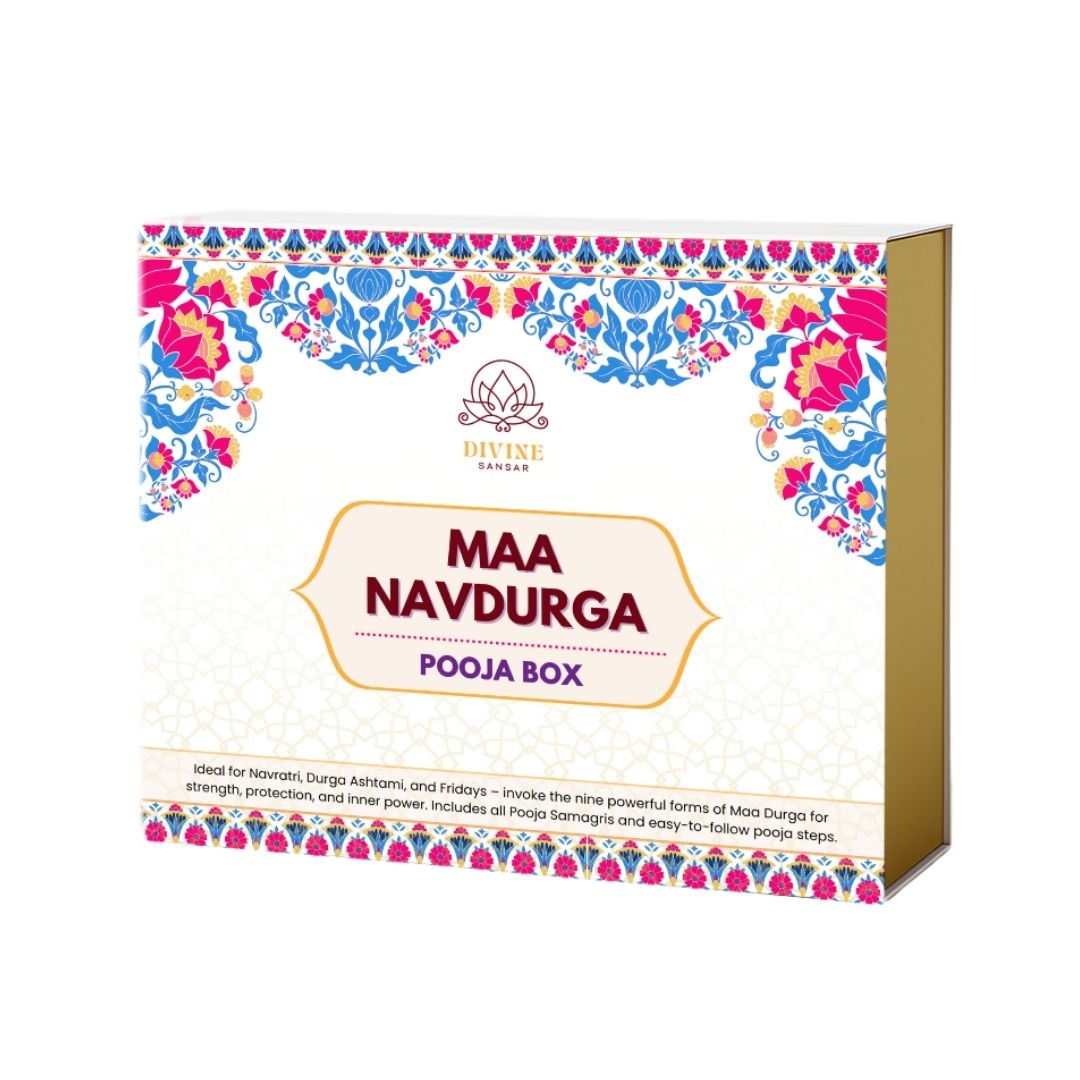
Nine nights of devotion, prepared properly. Ghatasthapana essentials, Maa Durga pooja boxes, chunris, Devi shringar and vrat samagri, delivered across Dubai, Abu Dhabi, Sharjah and Ajman.
About the nine nights
Sharad Navratri honours the nine forms of Maa Durga across nine nights, ending in Vijayadashami. It falls in Ashwin, usually across late September and October, and the dates move each year with the panchang.
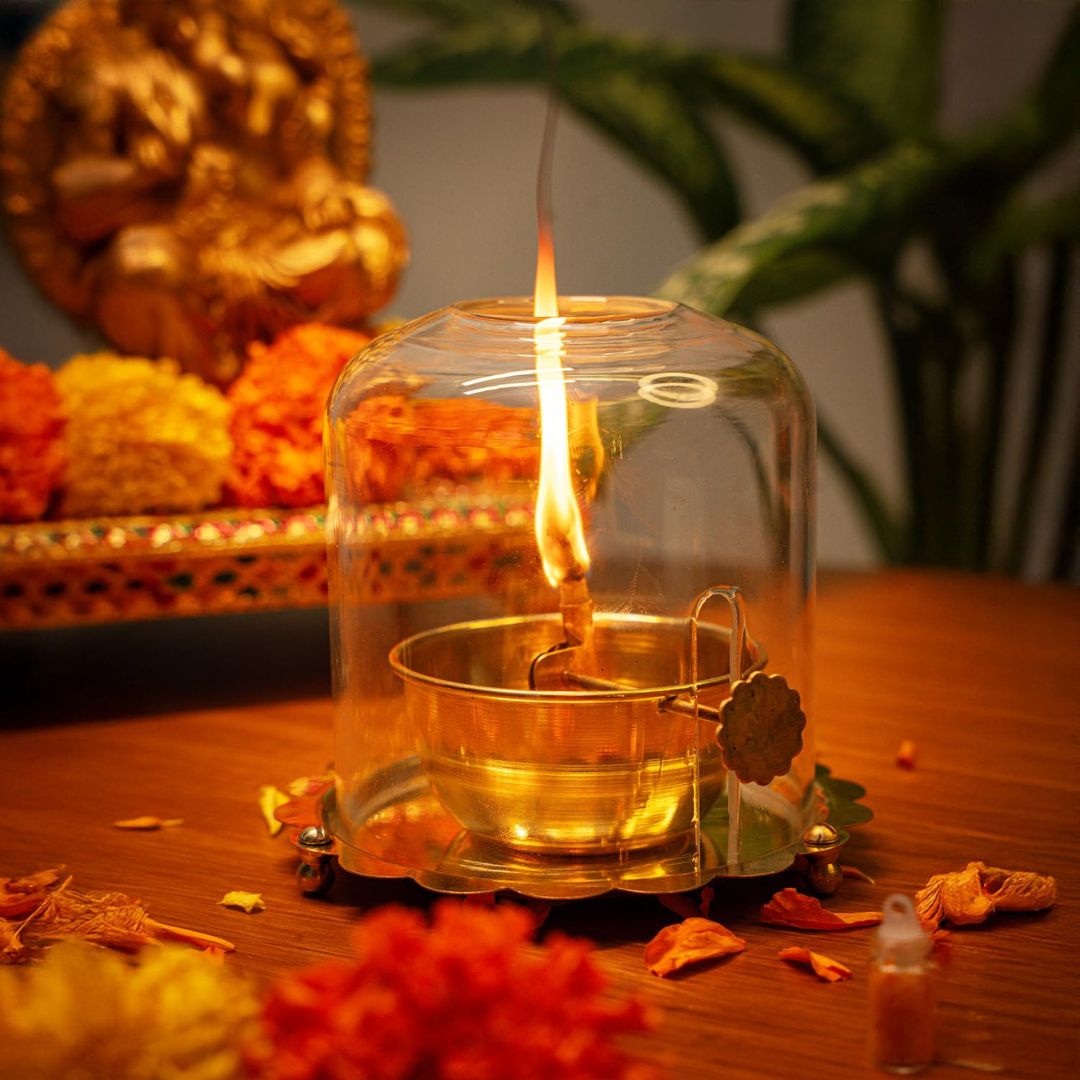
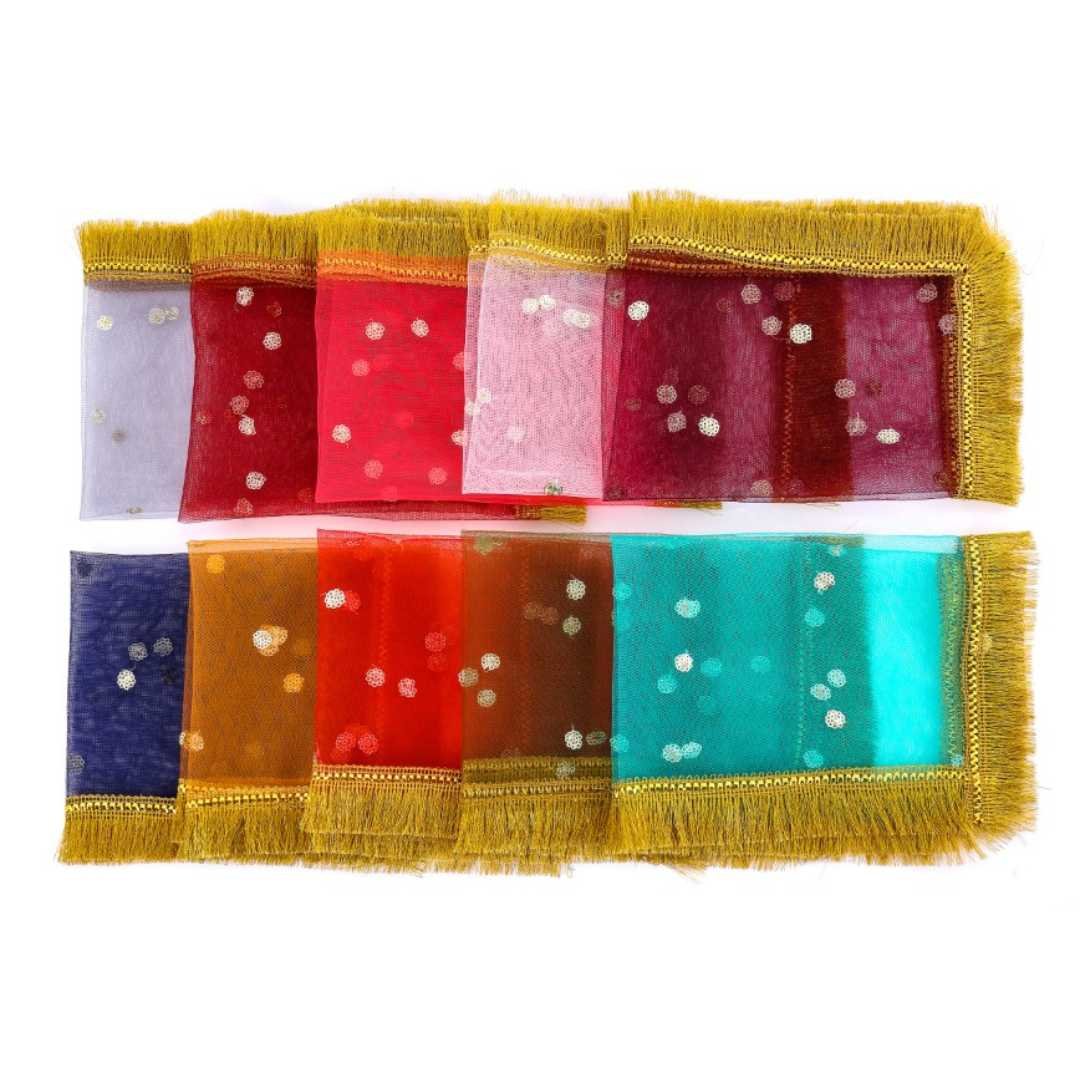
The nine days follow a familiar order in most homes: Shailputri, Brahmacharini, Chandraghanta, Kushmanda, Skandamata, Katyayani, Kalratri, Mahagauri and Siddhidatri. Many families dress the altar in a different colour each day, keep an akhand jyoti burning through all nine, and offer a specific bhog to the form of the day.
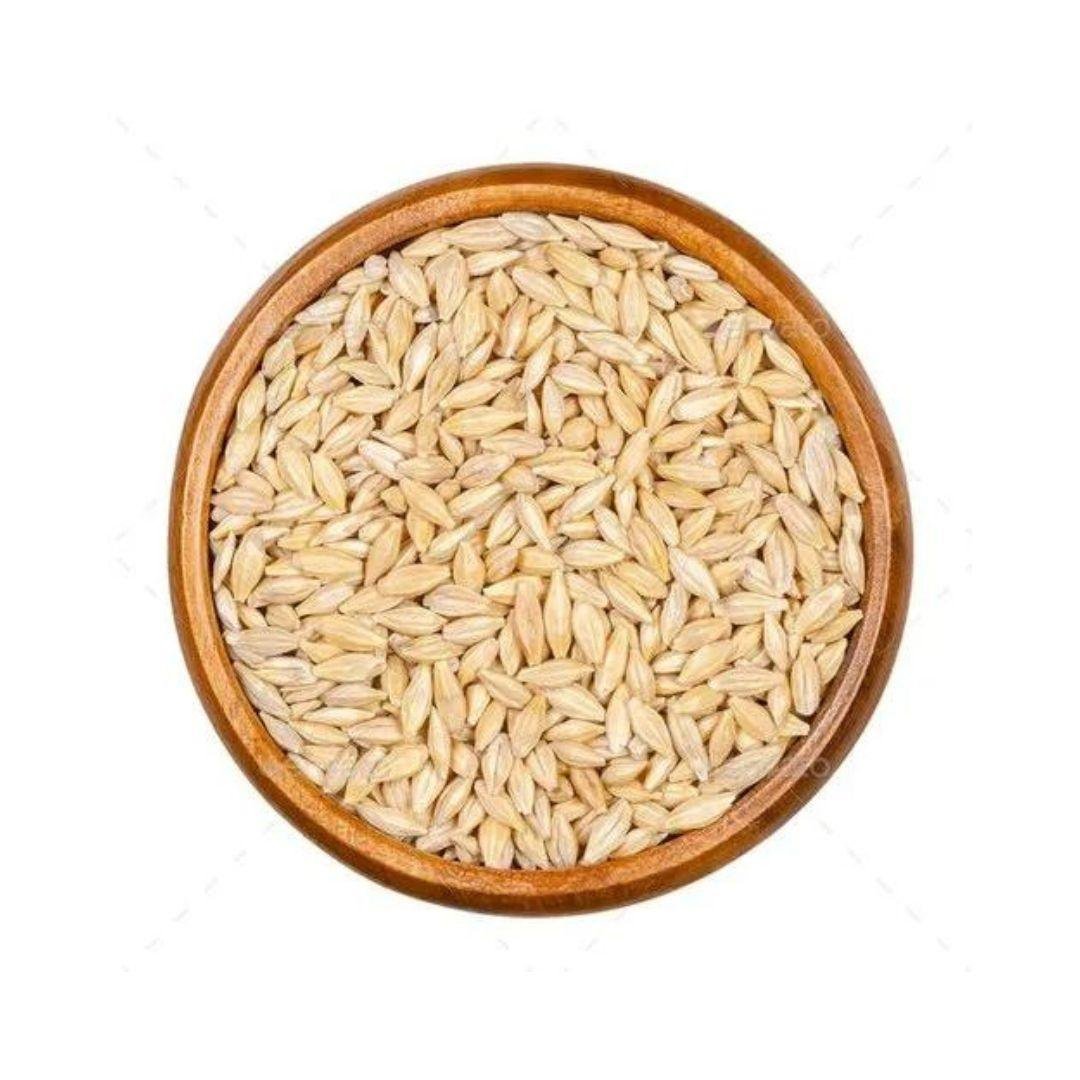
It begins with ghatasthapana on the first morning, when the kalash is installed and barley seeds are sown in soil. By the ninth day the shoots have grown, and that green is taken as Devi's blessing on the household.
In the UAE the nine nights are as much a community occasion as a home one, with garba and dandiya evenings across Dubai, Sharjah and Abu Dhabi running alongside the family pooja.
We deliver to all seven emirates, usually within one working day. Orders above AED 30 ship free, and Tabby lets you split larger orders into interest-free installments at checkout.
Order the ghatasthapana items a few days before the first morning rather than on the day. Soil, barley and fresh coconut move fastest in the week before Navratri, and the nine chunris are worth having in hand early so the altar is ready the night before.
Hosting a garba evening or a community pooja? We can supply prasad boxes, thali items and return gifts in bulk. Share your numbers and the date and we will plan around it - see Bulk and Return Gifts.
Questions we get asked
When is Navratri, and what are the nine nights? Sharad Navratri falls in Ashwin, usually across late September and October, with dates shifting each year by the panchang. The nine nights honour nine forms of Maa Durga in order, from Shailputri on the first day to Siddhidatri on the ninth, closing with Vijayadashami.
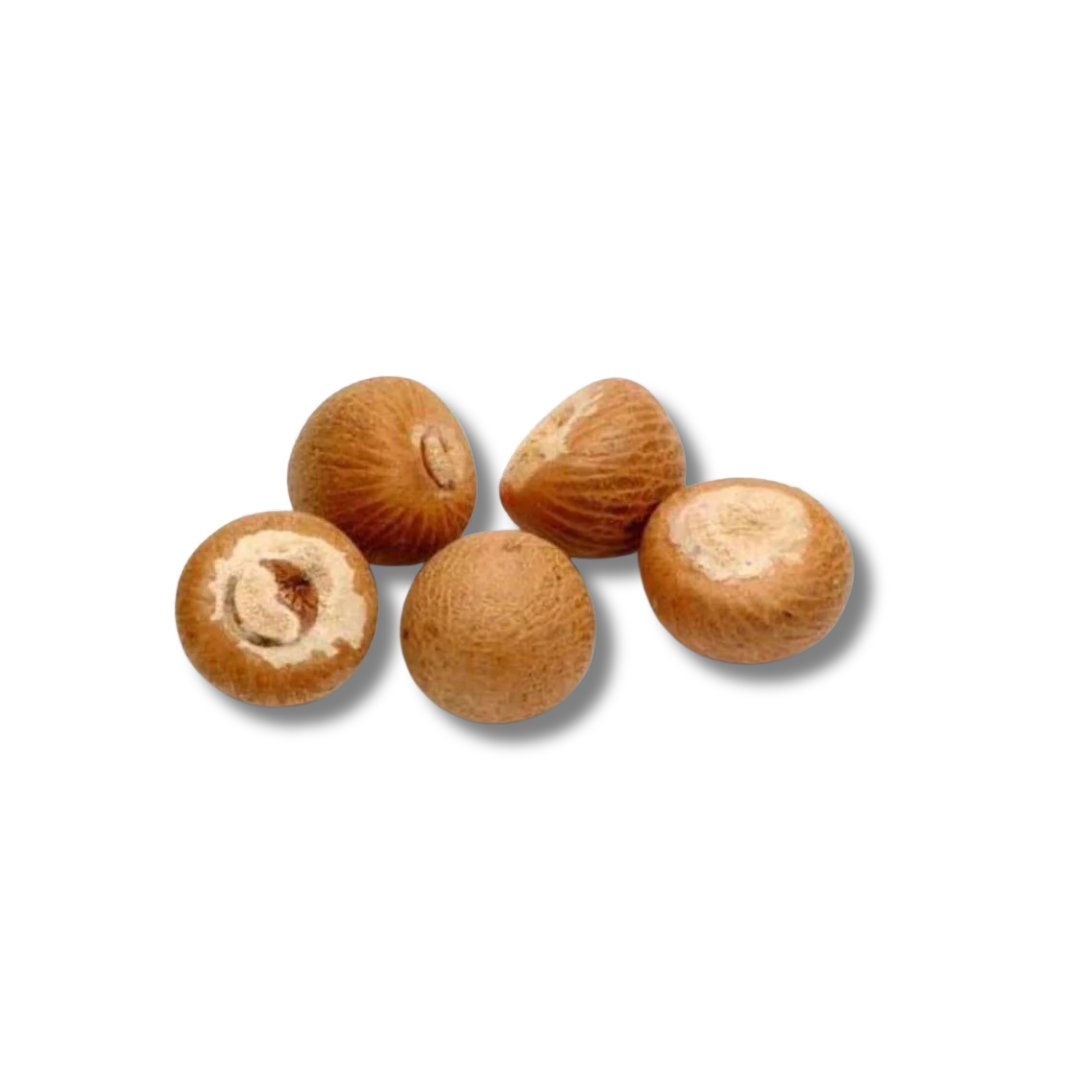
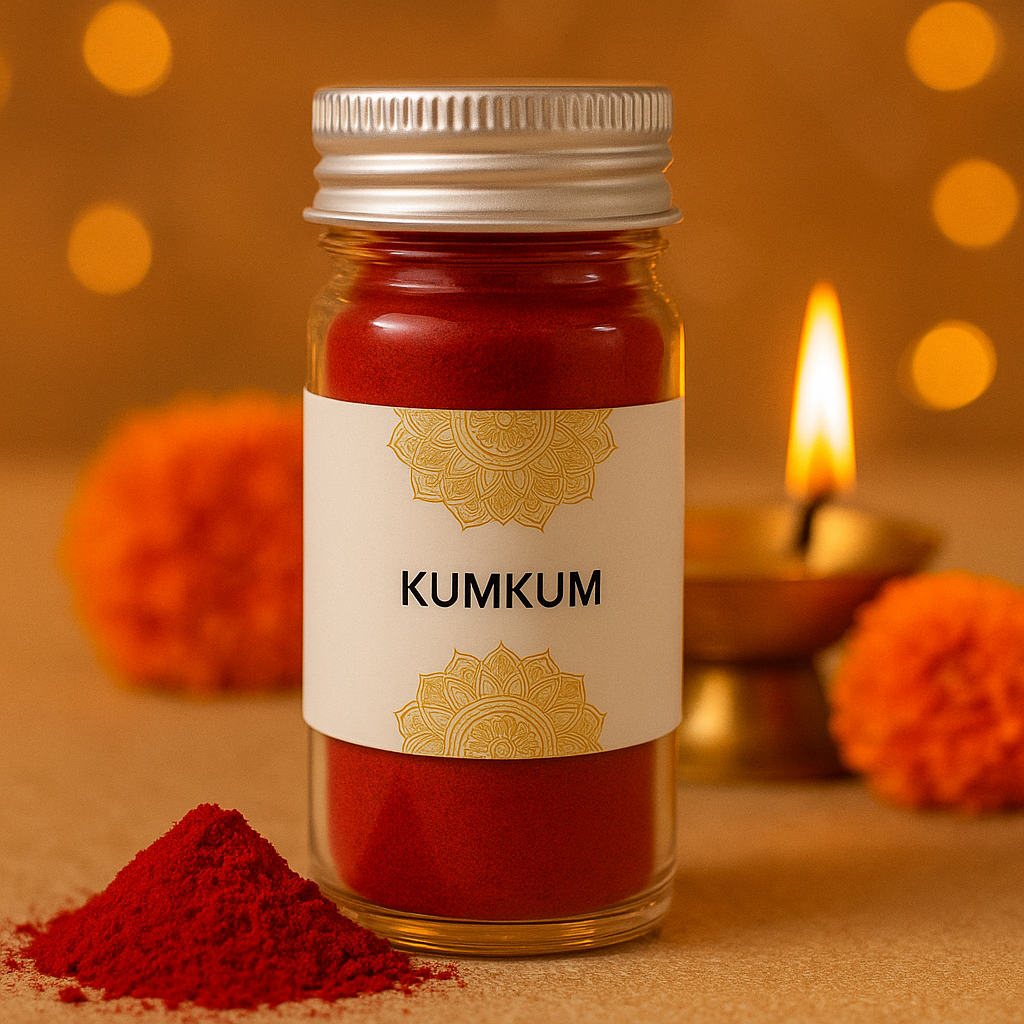
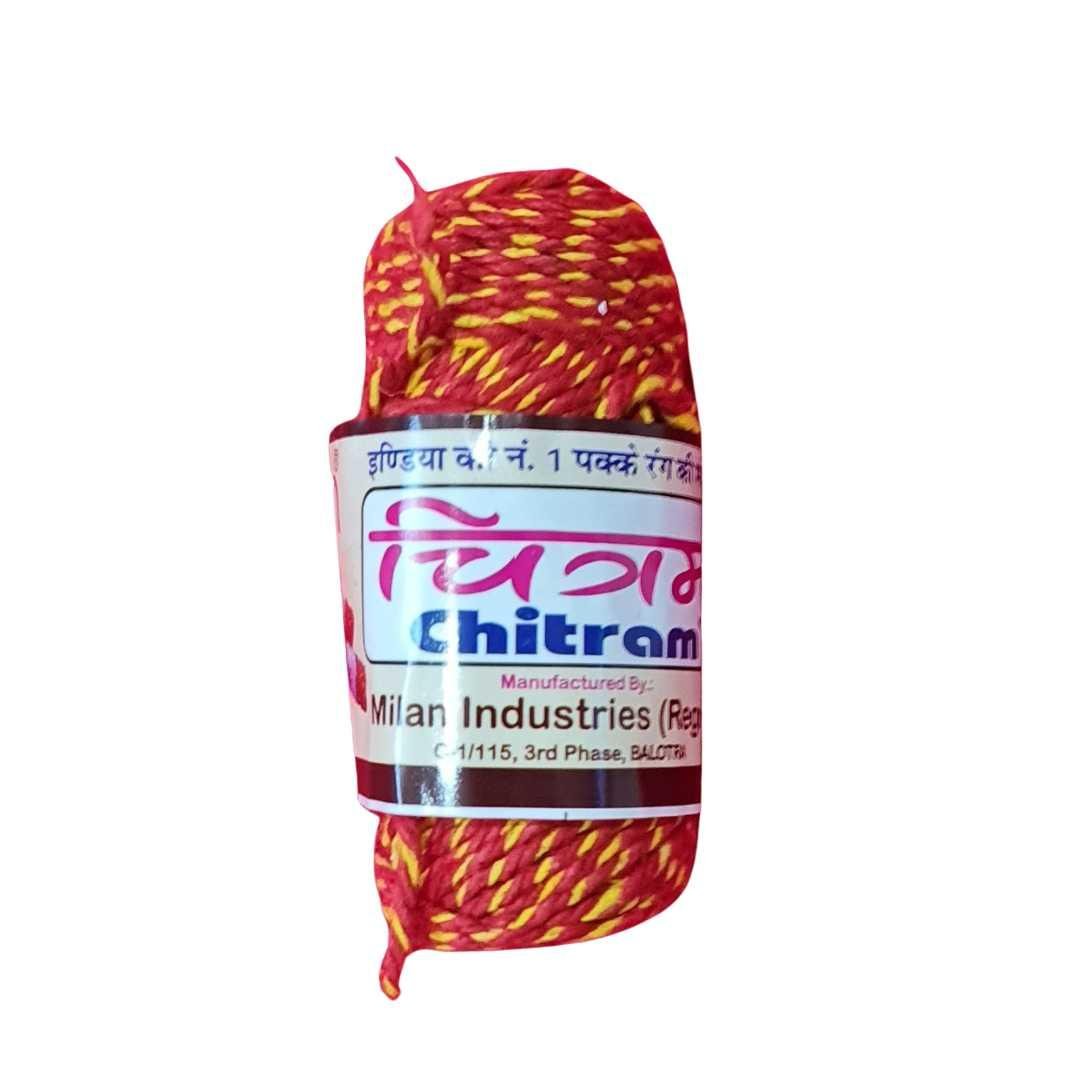
What do I need for ghatasthapana at home? A clay or copper kalash, soil and barley seeds in a wide pot, water, a coconut wrapped in a chunri, mango or ashoka leaves, haldi, kumkum, akshat, mauli, supari, a diya for the akhand jyoti, and flowers. A ready Navratri pooja box covers most of it in one order.
How do I sow the jow for Navratri? Fill a wide earthen pot with soil, scatter the barley seeds evenly, cover with a thin layer of soil and sprinkle water. Keep it beside the kalash away from direct sun and water lightly each morning. Shoots appear within two to three days and are several inches tall by the ninth.
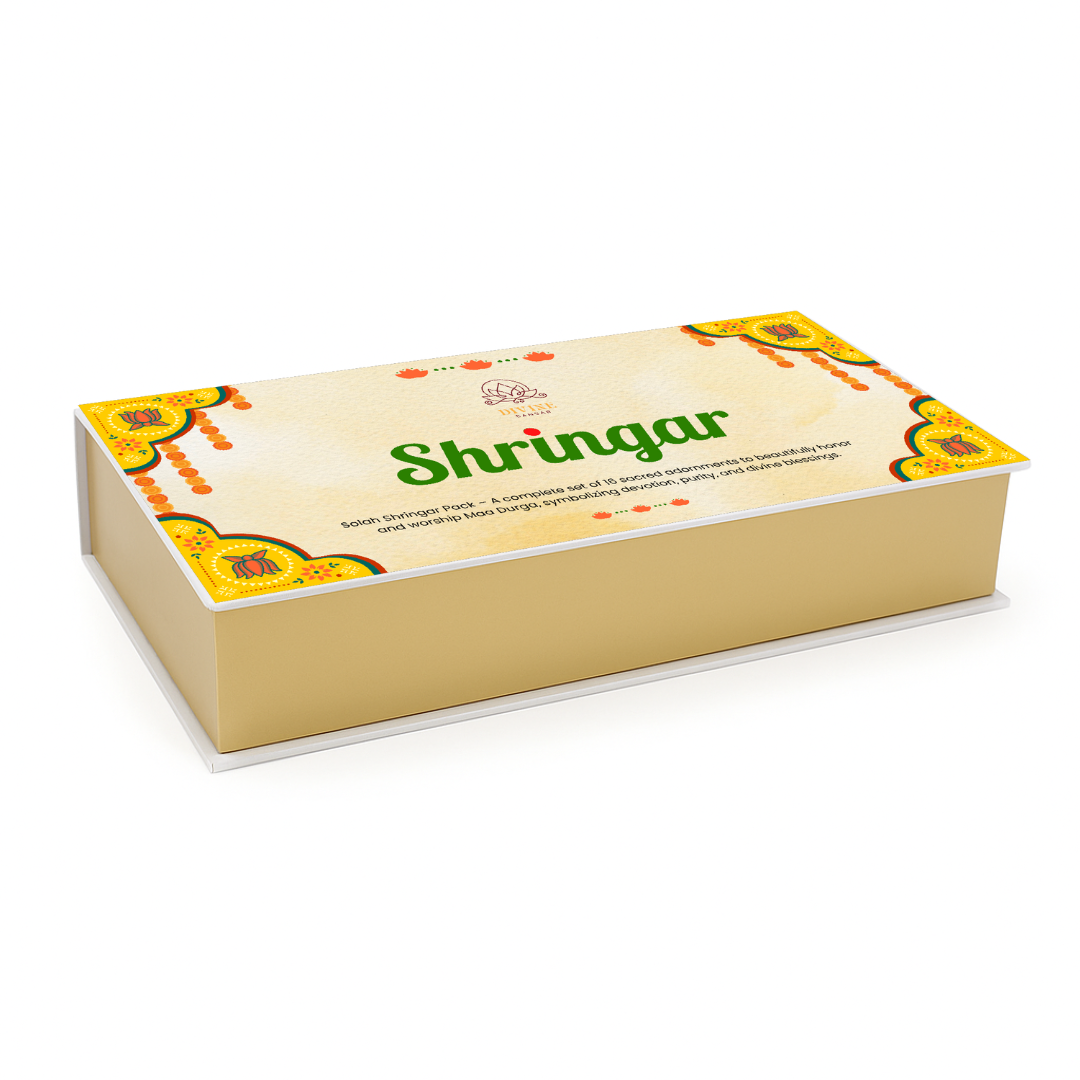
What is solah shringar and why is it offered? Solah shringar is the sixteen adornments traditionally offered to the Goddess, from bindi and sindoor to bangles and kajal. Offering them is a way of welcoming Devi as an honoured guest in the home rather than a distant deity.
What is usually eaten during Navratri vrat? Fasting practice varies widely by family and region. Commonly kept are sabudana, kuttu and singhara flour, samak rice, potato, fruit, milk and curd, with rock salt in place of table salt, while grains, lentils, onion and garlic are set aside. Follow what your family observes, and adjust for your own circumstances.
Do you deliver Navratri pooja items across the UAE? Yes, to all seven emirates including Dubai, Abu Dhabi, Sharjah and Ajman, usually within one working day. Free above AED 30, with Tabby available at checkout.