Five days of light, from Dhanteras to Bhai Dooj. Lakshmi Puja kits, diyas and rangoli, silver frames, yantras and prosperity pieces, delivered across Dubai, Abu Dhabi, Sharjah and Ajman.
The five days of Diwali
Diwali is not one evening but five days, and each has its own character. It falls in Kartik, usually across late October and November, with dates set by the panchang each year.
Dhanteras opens the run. Lakshmi and Kubera are worshipped, and something metal is traditionally brought into the house - a coin, a utensil, silver or gold. Naraka Chaturdashi, or Choti Diwali, is the day of cleaning and the first diyas. Lakshmi Puja is the main night, when the home is lit end to end and the Goddess is invited in. Govardhan Puja or Padwa follows, and Bhai Dooj closes it, sisters and brothers marking their bond.
In the UAE the shape of it changes a little. Fireworks are restricted and most of us are in apartments, so the celebration turns inward - more diyas along the balcony and hallway, rangoli at the door, a properly set altar, and community evenings in Dubai, Abu Dhabi and Sharjah for the noise and the dancing.
We deliver to all seven emirates, usually within one working day. Orders above AED 30 ship free, and Tabby lets you split silver frames, idols and larger gift sets into interest-free installments at checkout.
Diwali is our busiest fortnight of the year. Order the pooja box, silver and yantra pieces two weeks ahead if you can, and the diyas and rangoli in the same order rather than separately. Fresh flowers, leaves and coconut should be timed for the two or three days before Lakshmi Puja.
For corporate hampers and building or society gifting, we do bulk quantities with customised boxes. Send us the count and the date and we will work back from it - see Bulk and Return Gifts.
Questions we get asked
What are the five days of Diwali? Dhanteras, Naraka Chaturdashi or Choti Diwali, Lakshmi Puja on the main night, Govardhan Puja or Padwa, and Bhai Dooj. The run falls in Kartik, usually across late October and November, with exact dates set each year by the panchang.
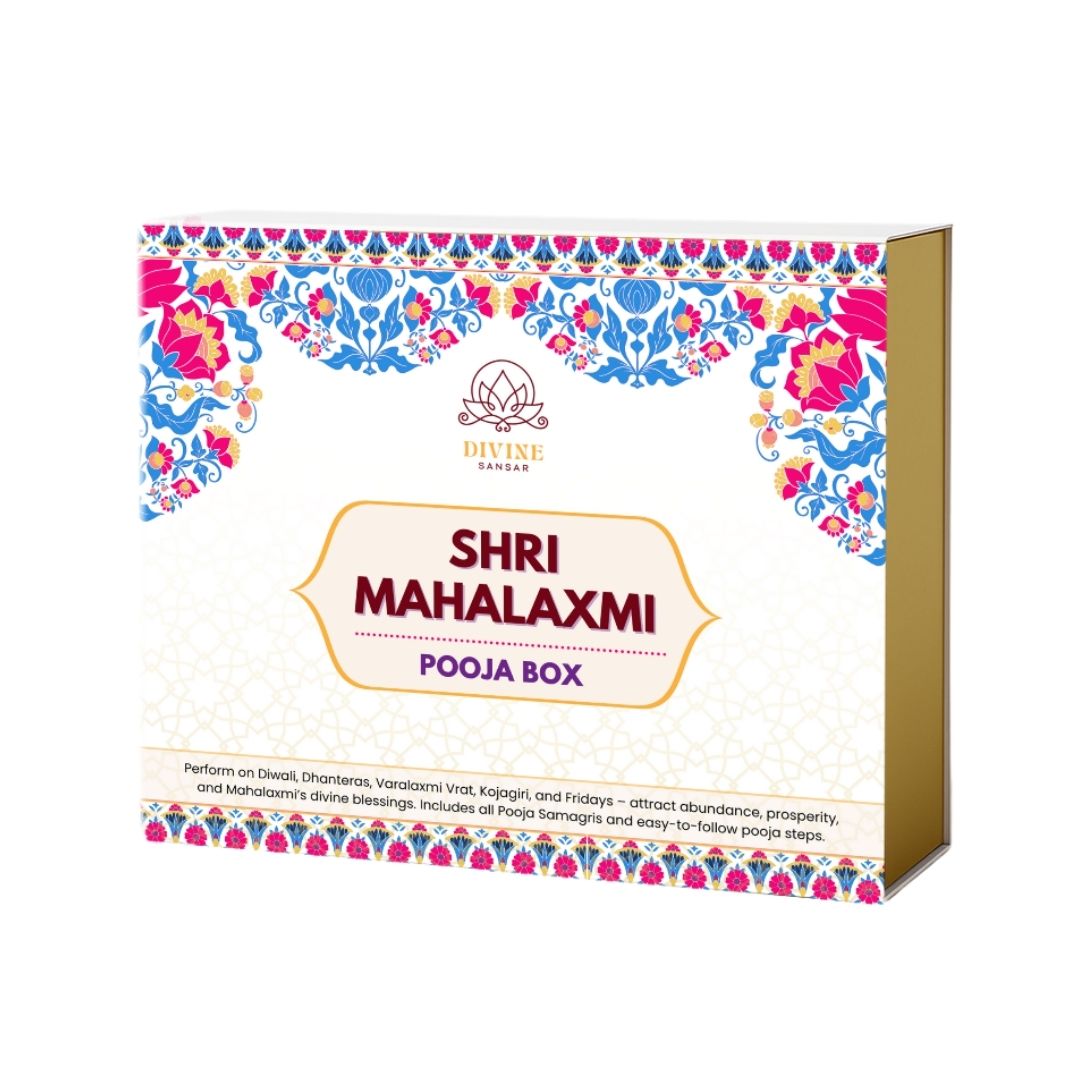
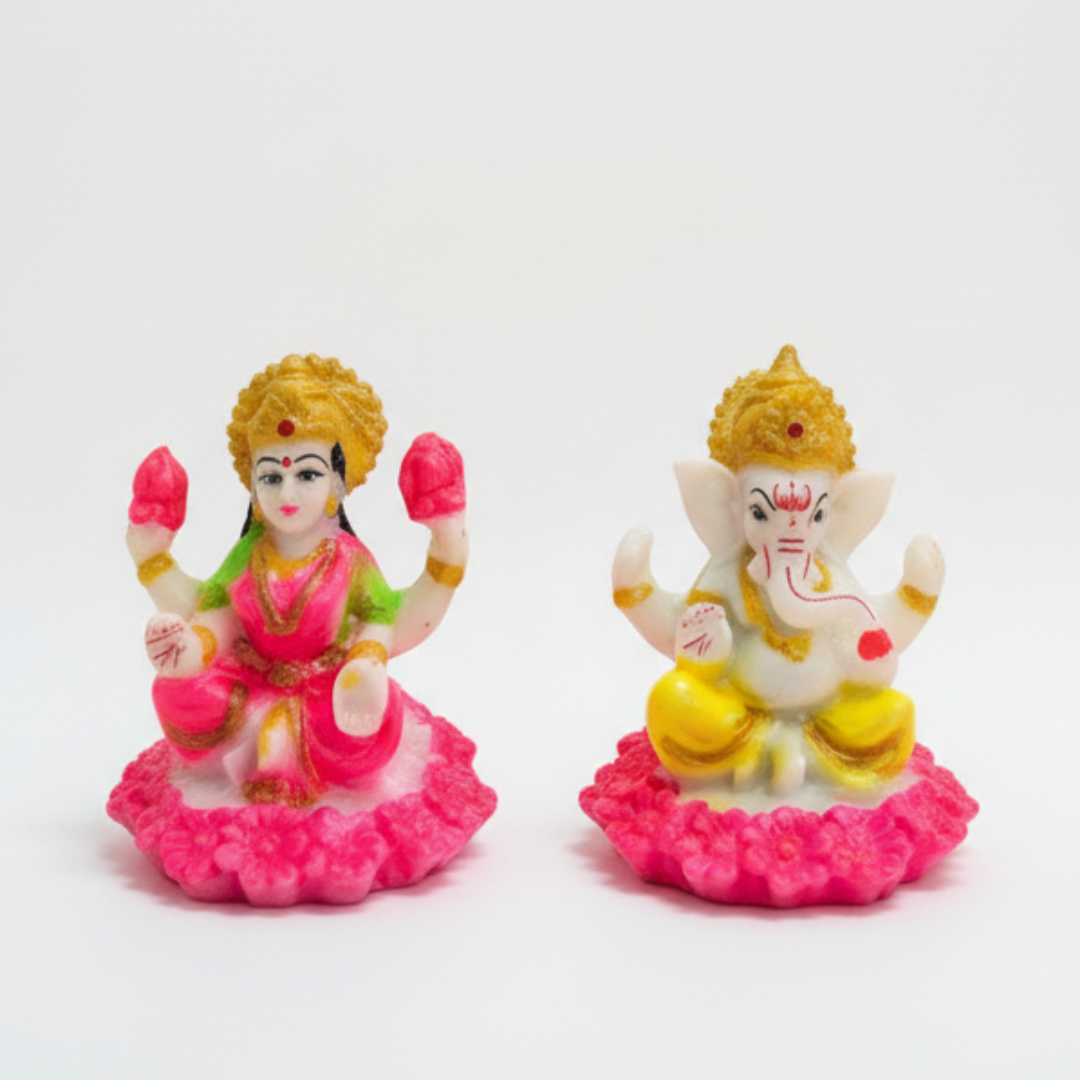
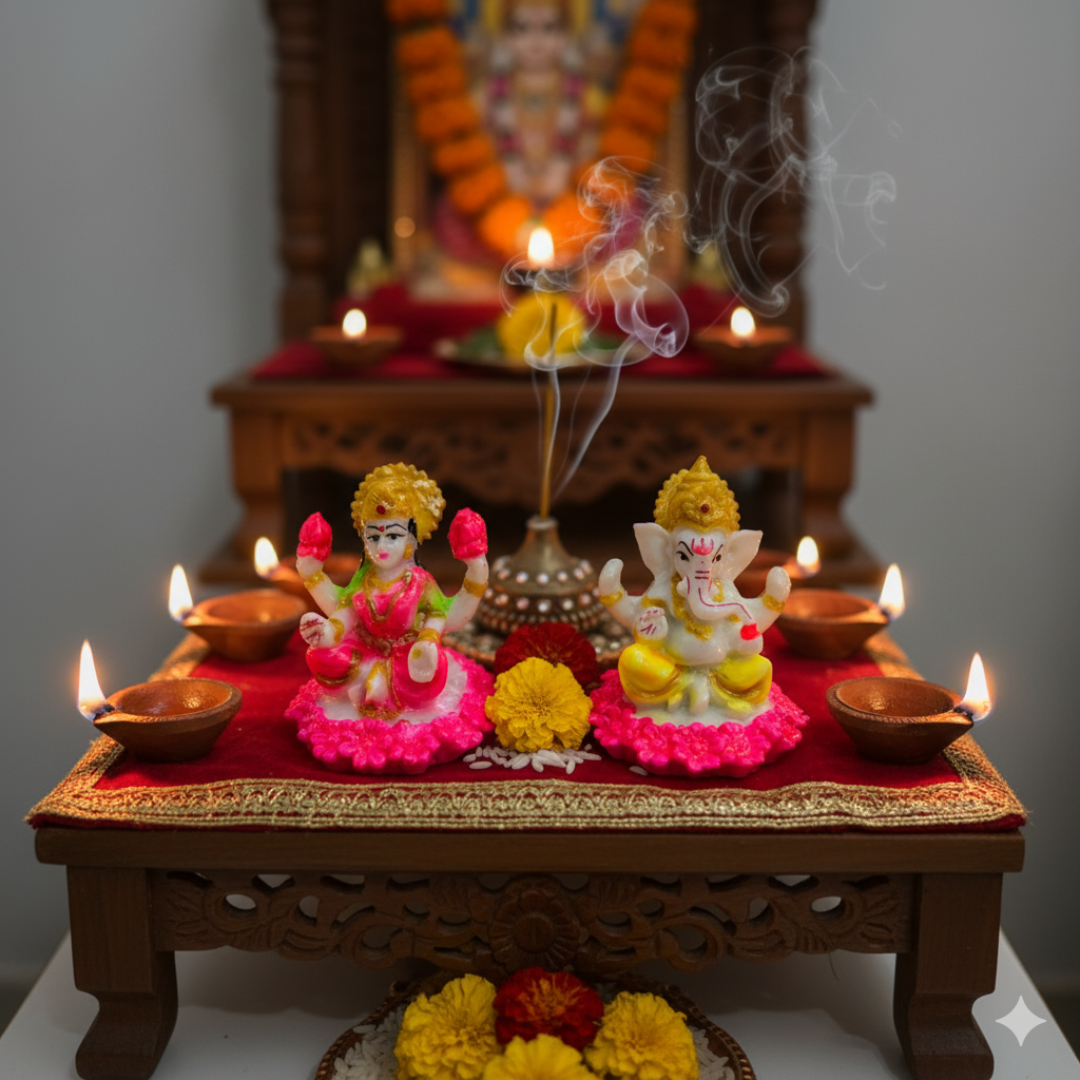
What do I need for Lakshmi Puja at home? A Lakshmi Ganesh idol or frame, a clean chowki with red cloth, kalash with water and a coconut, haldi, kumkum, akshat, mauli, kamalgatta, kauri shells, coins, batasha or sweets, flowers, agarbatti, and diyas with ghee or oil. A ready Diwali pooja box covers nearly all of it.
What should I buy on Dhanteras? Something metal is the tradition - silver, a copper or brass utensil, or a coin. Many families choose a silver Lakshmi Ganesh frame, a copper yantra or a pyrite piece, and keep it on the altar from that evening onward.
Where should I place the diyas? The first at the tulsi or the main entrance, then along the doorway, balcony and windows, and one in every room so no corner is left dark. Keep one burning through the night beside the altar. In a flat, LED options are sensible for high shelves and curtains while real diyas hold the doorway.
Which direction should the Lakshmi Ganesh idol and Shree Yantra face? The altar is usually set in the north-east, with the deities facing west so you face east while praying. Wealth pieces such as a pyrite frame or Shree Yantra are traditionally placed in the north or south-east. Ganesh sits to Lakshmi's left.
Do you deliver Diwali items across the UAE? Yes, to all seven emirates including Dubai, Abu Dhabi, Sharjah and Ajman, usually within one working day. Free above AED 30, with Tabby available at checkout. Order two weeks ahead in Diwali fortnight, as popular pieces sell out.